Do You Need a Producer For Your Video Production?

Everything a Producer Manages During a Video Production
There are a lot of steps to a video production and a lot of people working together to make it all happen. One of the most crucial roles in any video production, and one many people don’t consider, is the role of a producer. So, what exactly does a video producer do, and why are they important to a production?
A video producer is involved in every step of a production working through all of the logistics. Think of a production as a puzzle – the producer is the one putting that puzzle together. They manage the production from end to end, making sure teams are aligned, the project stays within budget, deadlines are met, and the initial creative vision comes to life.
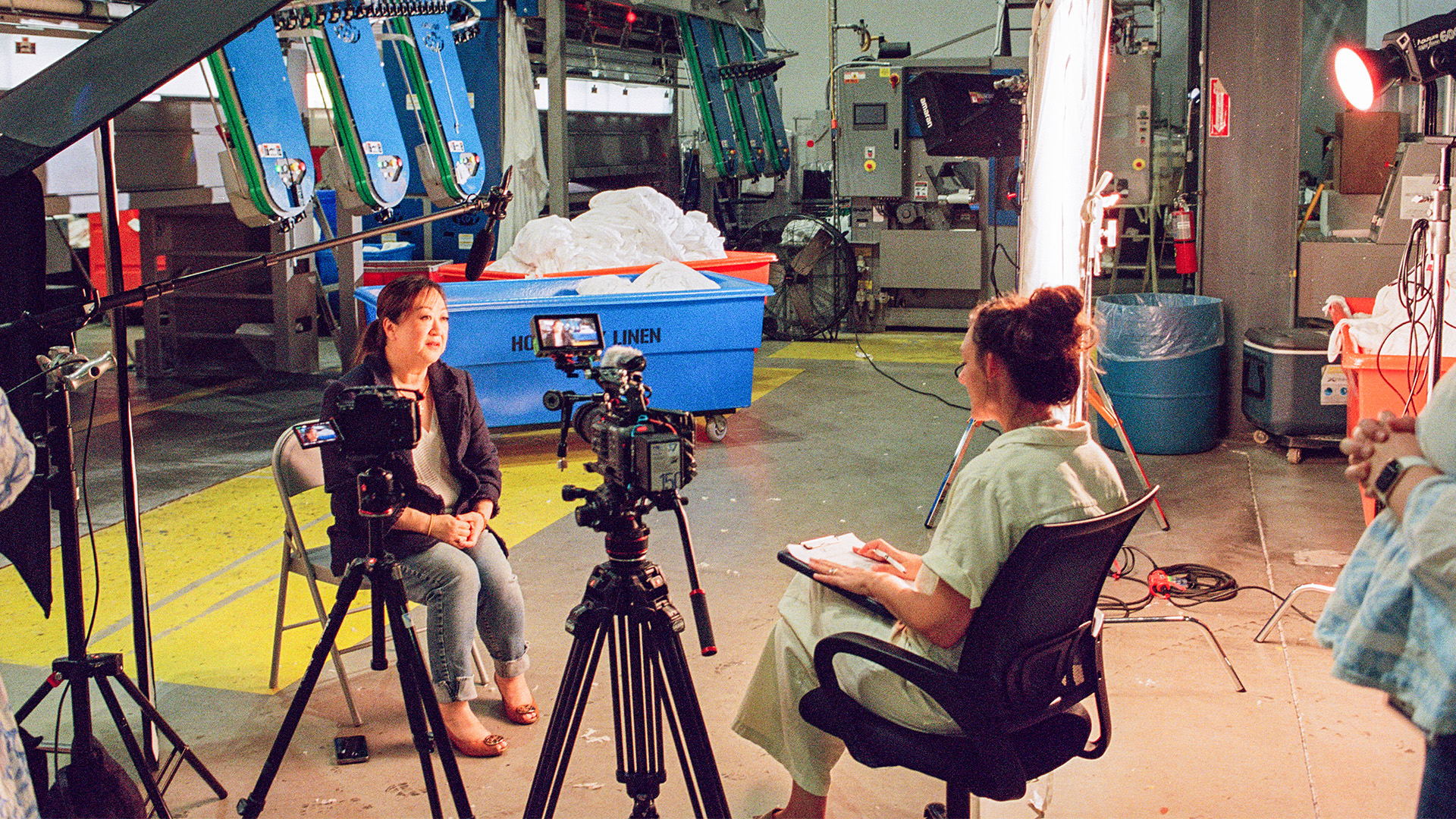
Here are some of the key roles a producer plays throughout the life of a production:
Video Production Communication
A producer is the main line of communication between you and the creative team, location contacts, talent, crew, vendors, and anyone else involved in the project. They keep everyone aligned and on the same page as a project moves through pre-production, production, and post-production.
As you might imagine, communicating between multiple parties can be time-consuming work. It’s the producer’s job to manage all of the back and forth to take that responsibility off your plate.
Video Production Scheduling and Coordination
Producers are responsible for building the production schedule and coordinating availability with locations, talent, crew, and stakeholders. They also understand how long different scenes and setups take to film, allowing them to create an efficient schedule that keeps filming days moving smoothly.
Video Production Budget Management
It’s the producer’s job to keep the project on track financially and prevent unnecessary scope creep. They work with vendors and the production team to manage costs and make sure the project stays within the agreed-upon budget.
Video Production Creative Management
You have a vision, and it’s the producer’s role to help bring that vision to life. They work closely with the creative team to find the right people, resources, and approach to execute the creative plan and make sure the final project aligns with what you envisioned.
Video Production Timeline Management
From project kickoff to filming is typically about four weeks. Your producer creates detailed timelines for you and the production crew, highlighting major milestones and deadlines to keep the project on track through pre-production. This ensures the entire team is prepared and ready for filming day.
You can expect regular check-ins throughout the entire process so you’re always in the loop about how your project is moving forward.
These few highlights are really just the tip of the iceberg. Your producer can also handle other details including:
- Talent casting
- Location scouts
- Permitting
- Crew meals
- Prop management
- And anything else that comes up!
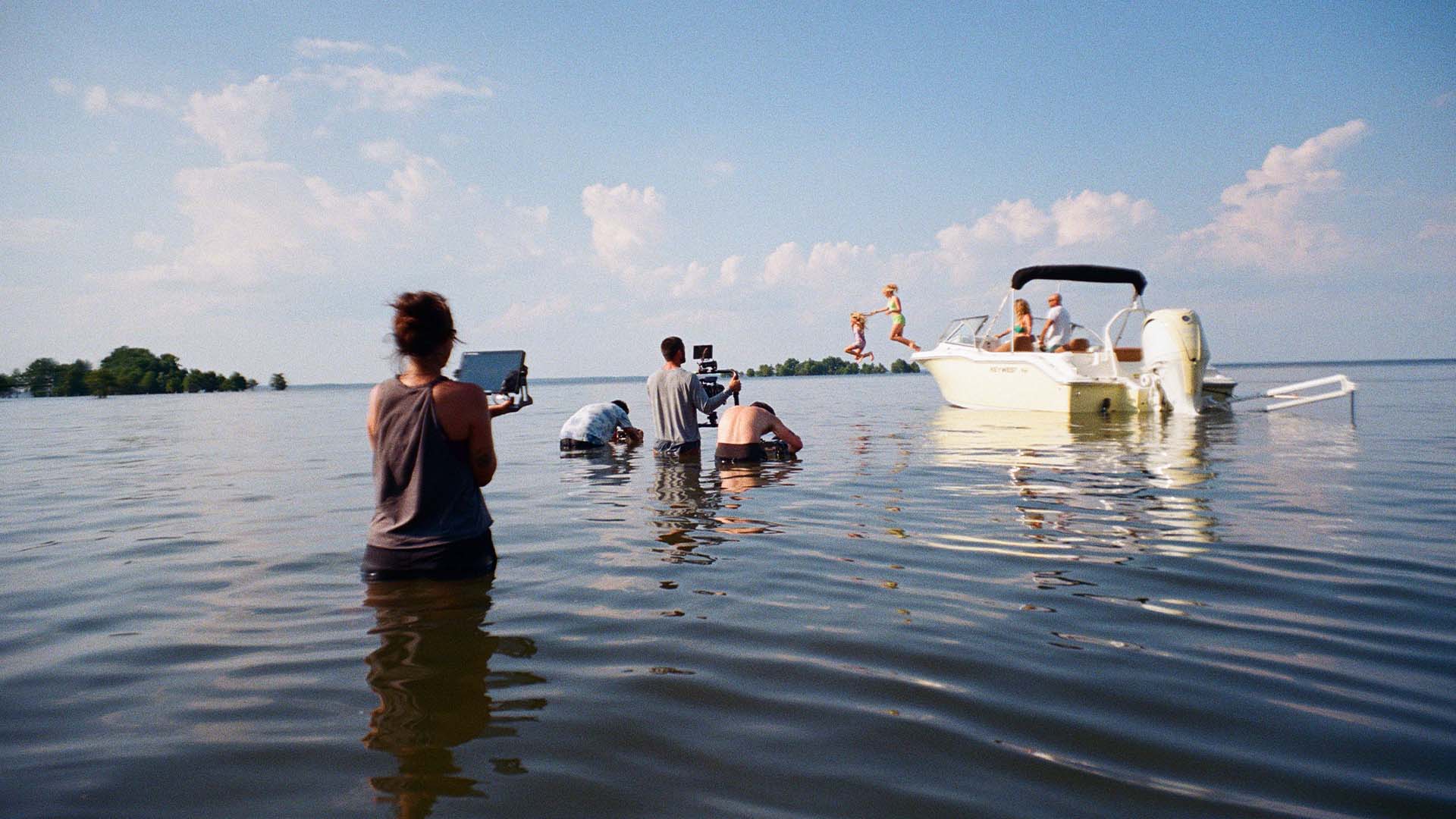
To sum it all up, the producer is the main line of communication between everyone involved in a production. They’re the glue holding everything together, keeping the project on track, on budget, and within scope.
They’re your problem solver and main point of contact from project kickoff through final delivery.
Vive Media has a team of in-house producers, directors, and editors, all ready to take the work off of your shoulders and bring your vision to life. Ready to kickoff your next video production? Let’s chat!
Frequently Asked Questions
A video producer manages the logistics of a production from start to finish. That can include scheduling, budgeting, communicating with the crew and client, coordinating locations and talent, managing timelines, and solving problems as they come up.
A producer should be involved from the beginning, ideally during the planning and pre-production stage. Getting them involved early gives them time to build the schedule, coordinate the people and locations involved, manage the budget, and make sure everything is ready for the shoot.
Even for smaller projects, someone still needs to manage the logistics, schedule, budget, communication, and other production details. Having a producer can make it much easier to keep everything organized and moving forward.